Become the Diver Others Can Rely On
The PADI Rescue Diver Course is widely regarded as one of the most challenging, enjoyable, and rewarding courses a diver can complete. More than just improving your diving skills, this course teaches you how to recognise, prevent, and manage problems before they become emergencies—making you a safer, more confident diver and an even better dive buddy.
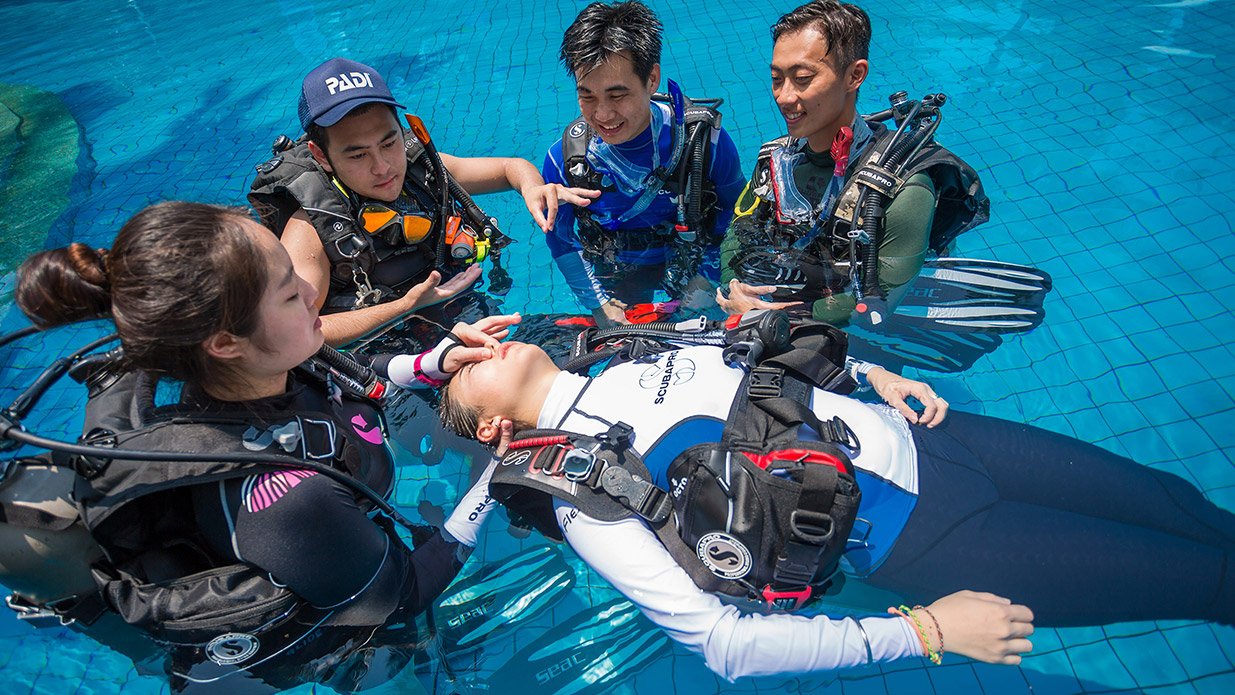
Through realistic rescue scenarios and hands-on training, you’ll develop the confidence to stay calm under pressure, think critically, and assist others when it matters most. While the course focuses on serious life-saving skills, it’s also an incredibly fun and rewarding experience that builds teamwork, confidence, and lasting friendships.
At Zero Limits Diving, we believe great divers don’t just explore the underwater world—they help protect the people they dive with.
Prerequisites
To enrol in the PADI Rescue Diver Course:
- You must be 12 years old or older.
- You must live in or near Gauteng, South Africa, to complete the practical training.
- You need adequate swimming skills and must be in good physical health.
- You must have completed your PADI Advanced Open Water Diver Course (or qualifying certification).
- You must have completed Emergency First Response Primary & Secondary Care (CPR and First Aid) within the past 24 months. This training can also be completed with Zero Limits Diving before or during your Rescue Diver course.
Course Outline
The PADI Rescue Diver Course prepares you to respond confidently to both minor and major dive emergencies through knowledge development, rescue exercises, and realistic rescue scenarios.
During the course you will learn how to:
- Perform self-rescue techniques.
- Recognise and manage stress in other divers.
- Prevent accidents before they happen.
- Respond to diving emergencies safely and effectively.
- Rescue panicked divers.
- Rescue unresponsive divers.
- Manage emergency equipment and coordinate rescue situations.
- Build confidence through practical rescue scenarios and teamwork.
Equipment
We’ll provide the equipment required throughout your training, including your standard scuba equipment and specialised rescue equipment.
During the course you’ll use:
- Full scuba equipment
- Pocket mask for in-water rescue breathing
- Emergency oxygen equipment
- Surface marker buoys and flotation devices
- Rescue equipment used during practical scenarios
Your Zero Limits Diving Instructor will explain the purpose and use of each piece of equipment and may recommend additional personal safety equipment, such as a first aid kit, that will benefit you throughout your diving career.
Getting Started
Once you’ve booked your PADI Rescue Diver Course and your payment has been confirmed, you’ll receive access to PADI eLearning, allowing you to complete the theory portion of the course before your practical sessions begin.
One of our experienced Zero Limits Diving PADI Instructors will then contact you to schedule your training, guide you through the course, answer your questions, and ensure you’re confident every step of the way.
Practical training typically requires 4–5 days and is usually conducted over weekends, with weekday training available by prior arrangement.
Your Rescue Diver Course Includes
- PADI eLearning
- Full scuba equipment rental
- Air fills throughout the course
- Professional instruction and classroom sessions
- Confined Water training
- Open Water rescue scenarios
- Five practical training days
- Internationally recognised PADI Rescue Diver Certification
- Digital PADI eCard
Challenge Yourself. Protect Others. Dive with Confidence.
The PADI Rescue Diver Course transforms the way you think about diving. You’ll leave with greater confidence, stronger problem-solving skills, and the ability to care for yourself and those around you—qualities that make every dive safer and more enjoyable.
Join Zero Limits Diving and take the next step in becoming the diver everyone wants by their side. Build confidence, embrace the challenge, and discover that the greatest adventure isn’t just exploring the ocean—it’s becoming someone others can depend on beneath the surface.
 Zero Limits diving